
Molecular Hydrogen: Research, FAQs, and Practical Use
Mar 17, 2026Hydrogen: Your Beginner's Guide to Understanding How & Why it Works
Over the past year I’ve received hundreds of questions about molecular hydrogen - what it does, how it works, whether it’s safe, and which conditions it may support.
The reality is that hydrogen research is far larger than most people realize. There are now 2,000+ studies indexed on PubMed exploring molecular hydrogen across neurological health, inflammation, metabolic conditions, and mitochondrial stress.
This article is not medical advice. Instead, it’s a central place to organize the research and answer the most common questions I receive so you can explore the science yourself. Full transparency: If you use my code, I earn a commission at no extra cost to you. I share this because I use the hydrogen system daily with myself & my family. If you'd rather not use my affiliate link, you can always search for the product directly. My recommendations stay the same either way.
May 10 - June 13th - Hydrogen Systems and Tablets are 15% off with code SARAHK & The Water Bottle is 30% off with code SARAHKSPRING
For my deep dive on Substack that tells our very personal story of Pans/Pandas & Autoimmune Encephilitis & how Hydrogen helped us - click here
Quick note: How to find more research on your own beyond this article:
If you want to explore more research yourself, simply search:
“molecular hydrogen + your condition” on PubMed.
For example:
• molecular hydrogen Parkinson’s
• molecular hydrogen metabolic syndrome
• molecular hydrogen neuroinflammation
We do have a very personal story with hydrogen - autoimmune encephalitis - PANS/PANDAS & more - but I'm not going to go into that here. You can listen to my entire hydrogen video & interview playlist HERE, and I talk about our story many times.
Long story short: we were faced with essentially institutionalizing our daughter or doing $40,000 immunotherapy treatments (which were not guaranteed to work & not covered by insurance)......so I began researching hydrogen as a potential therapy.
For us - the cost of a machine made sense in the face of what we were dealing with, and for you it may not. It's important that I qualify that here, and again remind you this is not medical advice.
(I went into my daughter’s full story and gave our protocols in this article on Substack - click here)
First: What is molecular hydrogen?
Molecular hydrogen (H₂) is simply two hydrogen atoms bonded together.
It’s the smallest molecule in the universe, which is part of why researchers find it interesting.
Because it’s so small, hydrogen can diffuse very easily through tissues and cell membranes.
Studies suggest (will have a full list of studies at the bottom of this article) it can:
• cross the blood-brain barrier
• reach mitochondria
• move rapidly through tissues
Researchers initially became interested in hydrogen because it appears to act as a selective antioxidant.
Which means: it may help neutralize some of the most damaging reactive oxygen species (like hydroxyl radicals) without shutting down beneficial oxidative signaling that the body actually needs.
In simple terms: It can help reduce inflammation, and not all inflammation is BAD. What it does do is get rid of the most harmful inflammation and leave the "helpful" inflammation.
Again - balance is important here because oxidative stress isn’t always bad - we rely on it for signaling and immune defense.
So the idea of something that may help buffer excess oxidative stress without blocking normal signaling caught researchers’ attention.
Where do we naturally encounter hydrogen?
This is a question I get a lot.
And the answer is: your body is actually supposed to make hydrogen.
Certain gut microbes naturally produce hydrogen gas when they ferment carbohydrates and fiber.
In other words, hydrogen production is normally part of a healthy microbial ecosystem, but hydrogen production can vary a lot depending on:
• microbiome composition
• antibiotic history
• diet
• gut health
• environment & stress
So some people may produce less hydrogen internally than others.
Hydrogen gas also exists naturally in certain environments like:
• hydrothermal vents
• volcanic areas
• some mineral waters
So exposure to hydrogen itself isn’t new or ground-breaking - it’s something the body has likely interacted with throughout human history.
Why are scientists studying hydrogen?
When researchers started exploring hydrogen in the early 2000s, they found something interesting: Hydrogen appeared to influence several biological pathways related to:
• oxidative stress
• inflammation
• mitochondrial function
Because of this, hydrogen began being studied in a wide range of conditions where those processes are involved.
Beyond this article - I again urge you to search PubMed, and you’ll find research exploring hydrogen in areas like:
• neurodegenerative disease
• metabolic health
• cardiovascular health
• inflammatory conditions
• exercise recovery
• mitochondrial dysfunction
Important: That doesn’t mean hydrogen is a treatment or cure, but it does explain why research interest in hydrogen has grown so quickly.
Drinking hydrogen vs inhaling hydrogen
Another question I get constantly is:
“Is it better to drink hydrogen water or inhale hydrogen gas?”
The truth is both approaches have been studied extensively and they have different mechanisms.
My personal bias is that inhalation is much more effective and safer (in conditions like SIBO especially).
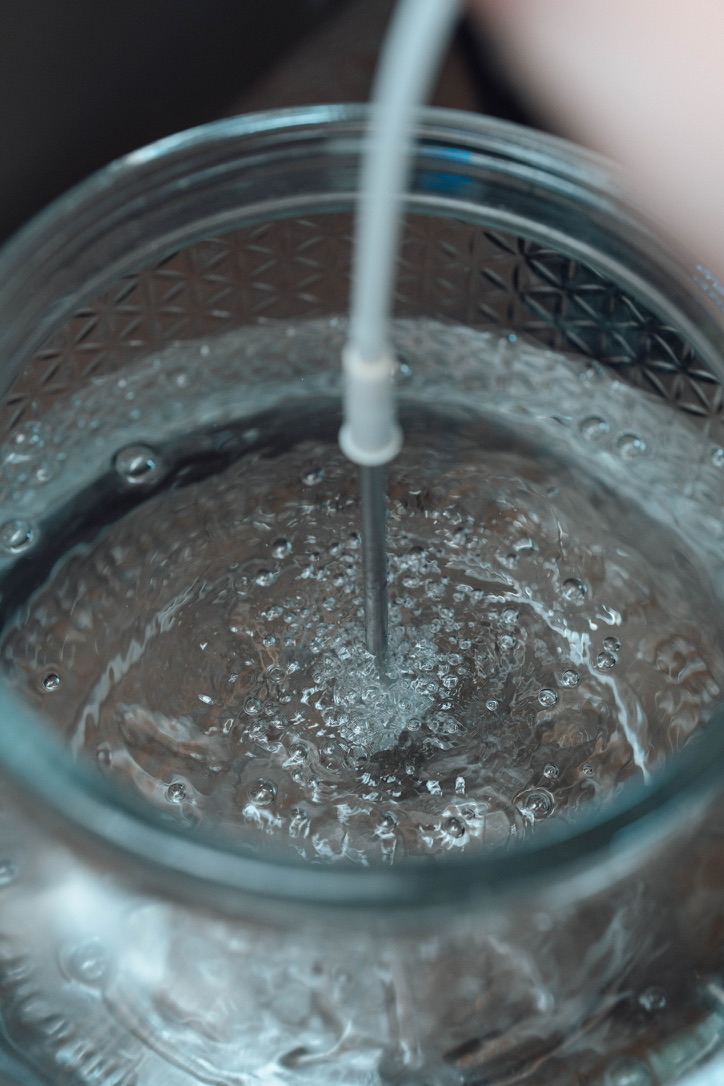
Hydrogen water involves dissolving hydrogen gas into water and drinking it, and inhalation delivers hydrogen through the lungs.
Each method has pros and cons.
Hydrogen water is:
• convenient
• portable
• widely used in research
But the amount of hydrogen reaching tissues may be lower and more short-lived.
When hydrogen is inhaled, it passes through the lungs directly into the bloodstream and then quickly distributes throughout the body.
Several studies measuring hydrogen levels in the blood show that inhalation produces much higher and faster increases in circulating hydrogen compared to drinking hydrogen water.
Hydrogen water still increases hydrogen levels in the body, but the rise tends to be smaller and shorter-lived because the gas has to be absorbed through the digestive tract.
That’s why many clinical studies exploring neurological and systemic conditions use hydrogen inhalation - it allows researchers to achieve higher concentrations more quickly (and that's why we opted for a high quality hydrogen machine that could deliver therapeutic inhalation AND make water.)
Both approaches have been studied, but they deliver hydrogen to the body in slightly different ways.
Hydrogen tablets vs machines
Another common question.
Hydrogen tablets typically generate hydrogen gas through a chemical reaction when they dissolve in water. Most of these tablets rely on magnesium to produce the hydrogen, which is why they’re usually dropped into a glass of water before drinking.
The Axiom tablets are a little different. Instead of dissolving them in water, they’re swallowed and react with stomach acid to generate hydrogen gas internally.
One thing I’ve noticed clinically is that many of my clients tolerate these tablets better than traditional hydrogen tablets. Because most hydrogen tablets rely on magnesium for the reaction, some people experience digestive discomfort when using them, whereas the Axiom tablets seem to cause fewer issues for some individuals.
Machines usually create hydrogen through electrolysis, separating hydrogen from water molecules.
The main difference tends to come down to:
• hydrogen concentration
• convenience
• consistency
Both methods are used in the research space, but the quality and output of different products can vary.
Is hydrogen safe?
Hydrogen gas itself is considered biologically inert at low concentrations, and it has been studied in medical research settings for years.
In most clinical research, hydrogen concentrations used are well below the flammability threshold (around 4% in air).
That’s why properly designed hydrogen devices keep concentrations safely within those limits.
Molecular hydrogen has now been investigated in more than 2,000 scientific publications, including human clinical trials. Across these studies, hydrogen has consistently shown an excellent safety profile, with no serious toxicity reported in clinical research.
I also wrote more about this last spring - click here to read the full article with citations.
What conditions has hydrogen been studied in?
This is where things can get confusing online.
You’ll see people claiming hydrogen helps with every condition imaginable.
The more accurate way to think about it is this:
Researchers are interested in hydrogen because it appears to influence oxidative stress and inflammatory pathways.
Those pathways are involved in many different diseases, so hydrogen has been explored in research related to:
• Parkinson’s disease
• stroke and brain injury
• metabolic syndrome
• cardiovascular health
• inflammatory conditions
• exercise fatigue and recovery
Again - this doesn’t mean hydrogen treats or cures those conditions - It simply means researchers are exploring whether hydrogen influences the underlying biology involved in those processes.
What about hydrogen and cancer?
In cancer research specifically, most studies have focused on supportive roles rather than direct treatment, including reducing oxidative damage, modulating inflammatory pathways, and protecting healthy tissues during chemotherapy or radiation.
For example, several preclinical studies have shown that hydrogen can influence signaling pathways involved in tumor biology, including NF-κB and Nrf2, which regulate inflammation and cellular stress responses.
There are also emerging human studies examining hydrogen gas inhalation in patients with advanced cancer. In one clinical study published in Medical Gas Research, patients receiving hydrogen inhalation showed improvements in fatigue, appetite, sleep, and overall quality of life, with some patients experiencing stabilization of disease progression.
Hydrogen has also been studied for its ability to protect healthy tissues during chemotherapy. Research published in Kidney International found that hydrogen-rich water helped reduce kidney damage caused by the chemotherapy drug cisplatin, without reducing the drug’s anticancer effects.
Taken together, the research suggests that molecular hydrogen may act as a redox modulator and mitochondrial support molecule, which is why it continues to be studied in oncology settings.
Importantly, hydrogen is not considered a standalone cancer therapy, but the growing body of research has drawn attention to its potential role in supporting cellular resilience and reducing treatment-related stress.
A note on chronic illness questions
I often get questions like:
• Can hydrogen help with mold illness?
• What about Lyme disease?
• POTS?
• MCAS?
• autoimmune disease?
Most of the time, hydrogen isn’t being studied for those exact diagnoses.
Instead, it’s being studied for things like:
• oxidative stress
• inflammation
• mitochondrial function
Which are pathways involved in many chronic illnesses, and that's why you’ll often see researchers discussing hydrogen in those contexts.
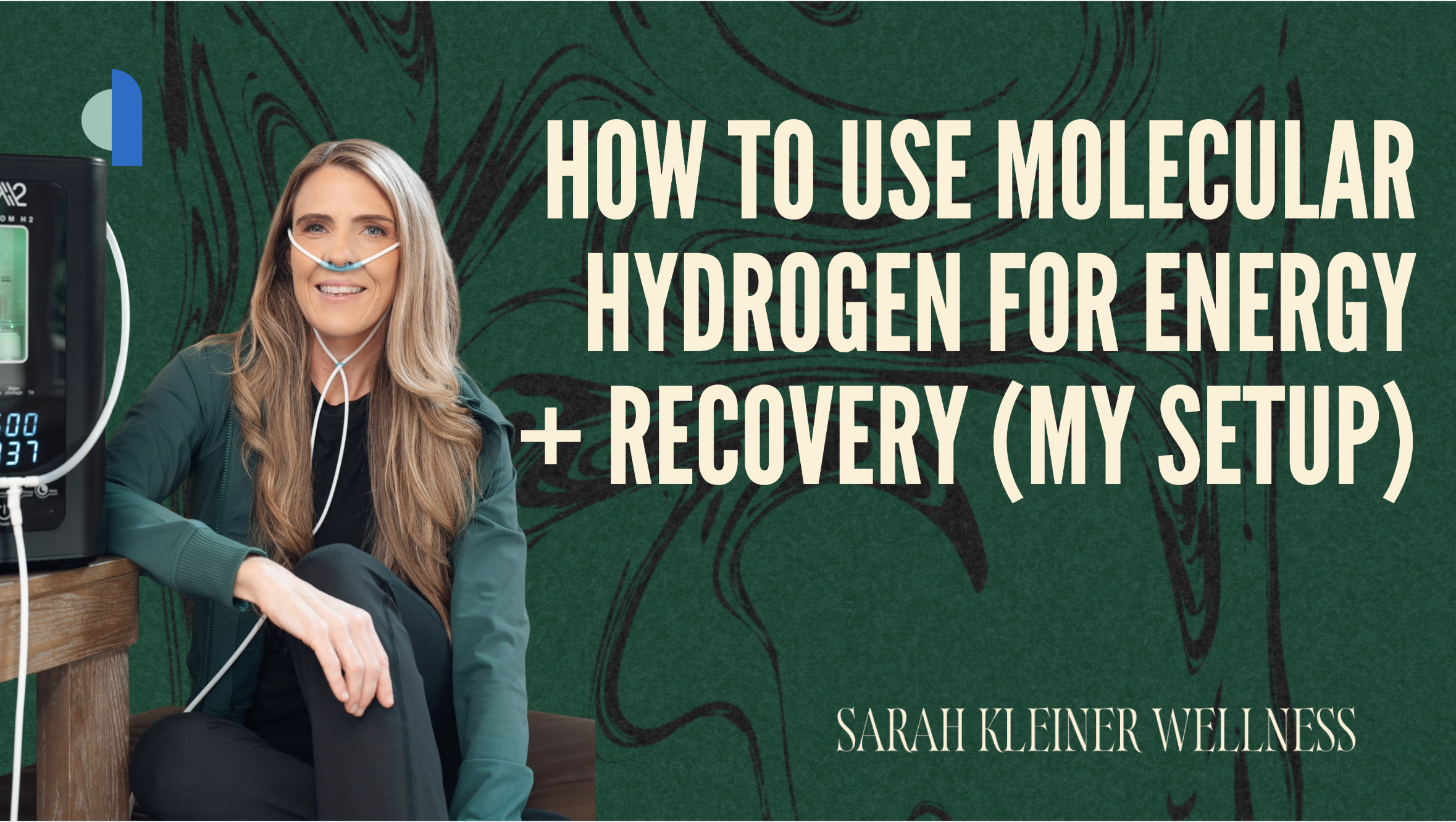
Want to see EXACTLY how I use Hydrogen? Watch this video (click here or on the photo below)
References:
Foundational Molecular Hydrogen Research
Hydrogen acts as a therapeutic antioxidant by selectively reducing cytotoxic oxygen radicals
Ohsawa I, Ishikawa M, Takahashi K, et al.
Hydrogen acts as a therapeutic antioxidant by selectively reducing cytotoxic oxygen radicals.
Nature Medicine. 2007;13(6):688-694.
DOI: 10.1038/nm1577
This landmark study first demonstrated that molecular hydrogen can selectively neutralize hydroxyl radicals while preserving beneficial reactive oxygen signaling.
Hydrogen Diffusion and Ability to Reach Tissues
Ohta S.
Molecular hydrogen as a preventive and therapeutic medical gas: initiation, development and potential of hydrogen medicine.
Pharmacology & Therapeutics. 2014;144(1):1-11.
Hydrogen as a novel therapeutic molecule
Ohta S.
Hydrogen as a novel antioxidant and anti-inflammatory therapy.
Nature Reviews Drug Discovery. 2011;10:481-482.
These reviews summarize evidence that hydrogen can diffuse rapidly into tissues, including the brain and mitochondria.
Gut Microbes Produce Hydrogen
Hydrogen metabolism in the human gut microbiome
Pimentel M, et al.
Hydrogen metabolism in the human gut microbiome.
Gut Microbes. 2010.
Hydrogen production by intestinal bacteria
Levitt MD.
Production and excretion of hydrogen gas in man.
New England Journal of Medicine. 1969;281:122-127.
These studies show hydrogen gas is naturally produced by intestinal microbes during carbohydrate fermentation.
Hydrogen and Inflammation / Oxidative Stress
Molecular hydrogen as a novel antioxidant
Ohta S.
Recent progress toward hydrogen medicine: potential of molecular hydrogen for preventive and therapeutic applications.
Current Pharmaceutical Design. 2012.
Hydrogen-rich saline reduces oxidative stress
Sun Q, et al.
Hydrogen-rich saline protects against oxidative stress and inflammation.
Shock. 2011.
Hydrogen Water vs Hydrogen Inhalation
Inhalation of hydrogen gas for therapeutic purposes
Ohta S.
Hydrogen gas inhalation for therapeutic and preventive medicine.
Medical Gas Research. 2015.
Hydrogen-rich water and exercise fatigue
Aoki K, et al.
Pilot study: hydrogen-rich water reduces oxidative stress and improves exercise fatigue.
Medical Gas Research. 2012.
These studies discuss pharmacokinetics and delivery differences between hydrogen inhalation and oral hydrogen water.
Hydrogen Safety
Hydrogen gas inhalation improves quality of life in cancer patients
Chen JB, et al.
Hydrogen therapy in patients with advanced cancer.
Medical Gas Research. 2019;9(4):204-213.
Effects of hydrogen-rich water during radiotherapy
Kang KM, et al.
Effects of drinking hydrogen-rich water on the quality of life of patients treated with radiotherapy for liver tumors.
Medical Gas Research. 2011.
Across clinical and experimental research, hydrogen has demonstrated an excellent safety profile with no serious toxicity reported in human studies.
Hydrogen and Cancer Research
Hydrogen gas in cancer treatment
Li S, et al.
Molecular hydrogen in cancer therapy.
International Journal of Oncology. 2019.
Hydrogen-rich water protects against cisplatin nephrotoxicity
Nakashima-Kamimura N, et al.
Molecular hydrogen alleviates nephrotoxicity induced by cisplatin without compromising anti-tumor activity.
Kidney International. 2009;75:1019-1027.
These studies support hydrogen’s role in reducing oxidative stress and protecting healthy tissue during chemotherapy.
Hydrogen and Neurological Conditions
Hydrogen therapy in Parkinson’s disease
Yoritaka A, et al.
Randomized double-blind placebo-controlled trial of hydrogen water for Parkinson’s disease.
Movement Disorders. 2013.
General Research Reviews
Hydrogen medicine: from basic research to clinical application
Ichihara M, et al.
Molecular hydrogen: clinical and experimental advances.
Medical Gas Research. 2015.
Molecular hydrogen: therapeutic cancer potential
Dole M, Wilson FR, Fife WP.
Hyperbaric hydrogen therapy: a possible treatment for cancer.
Science. 1975.
This was one of the earliest papers exploring hydrogen in biomedical research.
Be notified of new events as soon as they are open & get special discounts for being a subscriber.
Unlock 10% Off Any Product In My Store*
*excluding the Sarah Kleiner Wellness Membership and my Course Bundle
We hate SPAM. We will never sell your information, for any reason.
