
How to Survive an Office Job Without Wrecking Your Circadian Biology
Mar 15, 2026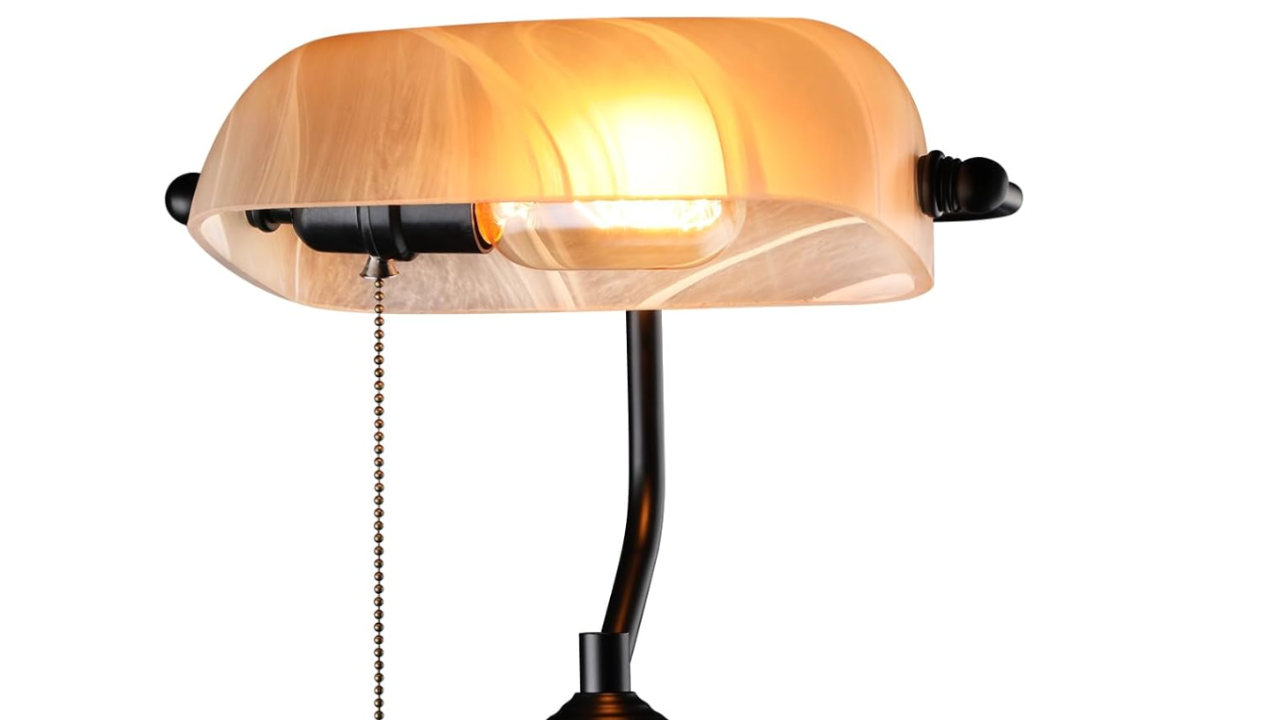
If you have recently discovered circadian biology - you might be keen on the fact that an office environment is not good for your mitochondria - vision - hydration status - or metabolism (all related).
Many people spend their entire workday under overhead LEDs, fluorescent lights, and computer screens while sitting indoors for hours at a time. This environment is very different from the light spectrum and environmental signals the human body evolved with.
While you may not be able to redesign your workplace, there are a few simple strategies that can dramatically improve the environment your eyes, brain, and mitochondria experience throughout the day.
LAST DAY TO SIGN UP FOR A PERSONALIZED PROTOCOL WITH SUPPORT! Click here for all the details!

1. Add an Incandescent Lamp to Your Desk
One of the easiest changes you can make is simply placing a small desk lamp with an incandescent bulb near your workspace.
Incandescent light produces a fuller spectrum of light, including red and infrared wavelengths that are largely missing from LED lighting.
This matters because the eyes and mitochondria respond to light in very different ways depending on the spectrum.
In fact, recent research from Dr. Glen Jeffery’s lab published this year showed that even a small amount of long-wavelength light exposure can significantly improve aspects of visual function. His work continues to show that red and infrared wavelengths support mitochondrial function in the retina.
What’s particularly interesting is that the benefit was observed even in environments dominated by LED lighting. In other words, adding a warmer, red-rich light source can partially offset the spectral imbalance created by modern indoor lighting.
A simple incandescent desk lamp is one of the easiest ways to introduce those wavelengths back into your environment.
Click here for the office setup I personally use.
2. Do a Quick Red Light Session Before Work
Another simple strategy is doing a short red light session before leaving for the office.
Research from Dr. Jeffery and others has shown that brief exposure to red light can support mitochondrial function in the retina and other tissues. Even a few minutes of exposure in the morning may help the cells of the eye function more efficiently throughout the day.
Many people find that doing a 3–5 minute session with a red or near-infrared device before work can be a simple way to support visual and cellular function before spending hours in front of screens (click here for my protocols course with red light therapy protocols - or upgrade to paid to get the red light protocol at the bottom of this article)
It’s a small intervention, but one that aligns well with how light interacts with mitochondrial biology.
For red light therapy in the morning - I currently use the Sauna Space light or the Bon Charge panel (battery operated) (discount code is SARAHK at both companies).
3. Support Cellular Hydration
Indoor environments can also be very dehydrating.
Air-conditioned offices, NNEMF, LED lights, constant sitting, and long periods indoors can make it easy to fall behind on hydration. But water balance is not just about fluid intake - it’s also about minerals and cellular energy production.
Drinking mineral-rich water throughout the day can help support proper electrolyte balance and cellular hydration.
Some people also choose to use molecular hydrogen, which has been studied for its potential to support mitochondrial redox balance and reduce oxidative stress.
If you want a deeper dive into hydration, minerals, and how to support cellular water balance, I cover this in detail in my hydration article.

4. Use Yellow Blue Blockers Strategically
If your job requires staring at screens all day, yellow blue-blocking glasses can be helpful.
Computer screens and office lighting emit a large amount of short-wavelength blue light, which can create visual strain and increase retinal stress over time. Yellow lenses filter part of this blue spectrum and can make screen work more comfortable for many people.
That said, they should be used strategically - not worn all day long.
The goal isn’t to block all blue light. Blue light from the sun is an important circadian signal. Instead, yellow lenses can be useful during periods of intense screen exposure, especially when you are sitting directly in front of monitors for long stretches.
Just remember to take them off when you step outside so your eyes can receive the full spectrum of natural daylight.
Click here for pair that clips on to your glasses.
I also like the Nate Lenses from RA Optics (code SARAH) or the yellow GLO lenses from VivaRays (code YOGI).
5. Take Frequent Natural Light Breaks
One of the most important things you can do during a long workday is simply step outside periodically.
Even a few minutes of natural daylight provides a dramatically different light signal than indoor lighting. Natural light contains a full spectrum of wavelengths and far higher light intensity than anything produced by office lights.
Try to step outside for a few minutes every hour or two if possible. These short light breaks can help reset your eyes, support circadian signaling, and reduce the strain of continuous screen exposure.
Bonus points if you do some grounding!
6. Sit Near a Window When Possible
If you have any choice in where you sit, choose a desk near a window.
Even indirect daylight from a nearby window provides far more biologically relevant light exposure than typical indoor office lighting. Most offices operate around 300–500 lux, while natural daylight near a window can be several times brighter and contains the full spectrum of wavelengths (the crucial blue light & also allows some red light) the body uses to regulate circadian rhythm, alertness, and mood.
Research supports the importance of daylight exposure for office workers. A study published in the Journal of Clinical Sleep Medicine found that employees working in offices with windows received 173% more light exposure during the day and slept an average of 46 minutes longer per night compared with workers in windowless environments.
More recent research has also found metabolic benefits from natural daylight exposure during the workday. A study published in Cell Metabolism placed adults with type-2 diabetes in controlled office environments and compared artificial lighting with natural daylight. When participants worked in natural daylight conditions, they spent more time in a healthy glucose range and showed improved metabolic regulation, despite eating the same meals and performing the same activities.
Read my article on sunlight through a window & WHY it could be helpful for metabolism (click here or on my image below)

The Goal Isn’t Perfection - It’s Signal Improvement
You don’t need a perfect environment to support your biology, and small changes to the light spectrum, hydration, and mitochondrial inputs can make a meaningful difference over time.
A simple incandescent desk lamp, a brief red light session before work, and consistent mineral hydration are easy strategies that can help offset some of the challenges of modern indoor environments.
Grab my red light therapy protocols inside of PROTOCOLS
Be notified of new events as soon as they are open & get special discounts for being a subscriber.
Unlock 10% Off Any Product In My Store*
*excluding the Sarah Kleiner Wellness Membership and my Course Bundle
We hate SPAM. We will never sell your information, for any reason.
