
Circadian Eating? Does it actually matter?
Mar 09, 2025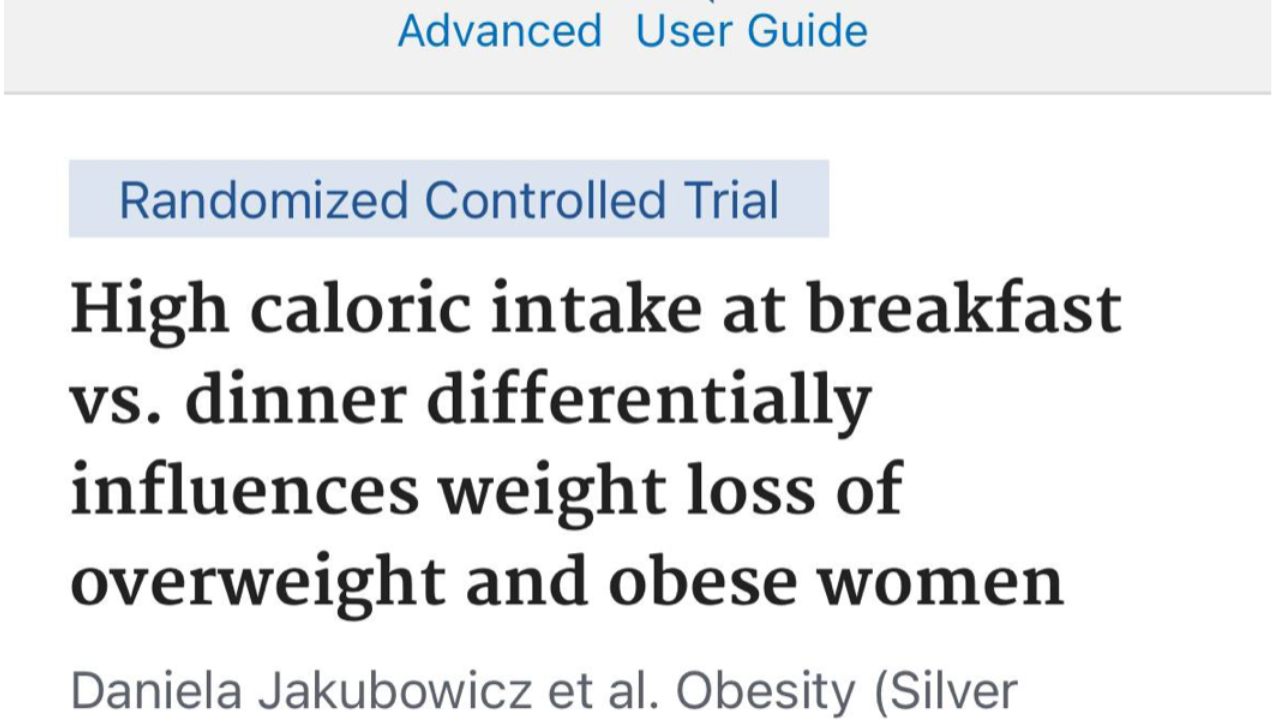
Circadian Eating? Does it actually matter?
Why this could be the clue to weight loss AND longevity - especially in mid-life. This study shows what many of us have been teaching & practicing for years.
Don't know what to eat? My Recipes offer is 50% off until Spring Equinox! Click here to grab it on discount!
Click here for my free product guide
|
|
The study that proves skipping breakfast might not be best for longevity or weight loss:
Have you ever felt like you’re fighting an uphill battle with weight management, especially as you hit midlife? You’re not alone. Finding the right diet and weight management strategy can be a major challenge as we age. But the good news is that this study may just have uncovered the missing link we’ve all been searching for when it comes to sustainable weight loss and boosting our health as we get older. Let’s dive into what this study is all about.
The Midlife Challenge: What’s Really Going On?
Midlife can throw a lot at us. From the extra stress of balancing work like with caring for kids AND aging parents.....to hormonal shifts to a metabolism that seems to slow down overnight, it’s no wonder weight gain can feel frustrating. Many people find themselves trying all sorts of diets and fasting routines, hoping to find something that actually works and sticks.
This is where it gets exciting - this study examines how simply changing your meal timing can improve metabolic markers across the board.
Essentially there were 2 groups of midlife overweight women, and they ate EXACTLY the same amount of food (calories). The difference was that one group ate a big breakfast and a small dinner, and the second group ate a small breakfast and a big dinner.
The simple change that lead to great results by simply changing nutrient timing:
- Weight Loss: The big breakfast/small dinner group group experienced greater weight loss and higher reduction in waist circumference.
- Metabolic Markers:
- Fasting glucose, insulin, and ghrelin decreased in both groups.
- HOWEVER - the big breakfast/small dinner group showed a significantly greater reduction in fasting glucose, insulin, and HOMA-IR.
- Triglyceride Levels:
- Big breakfast small dinner group: Decreased by 33.6%.
- Big dinner small breakfast group: Increased by 14.6%.
- Oral Glucose Tolerance Test: Big breakfast small dinner group had a greater decrease in glucose and insulin levels.
- Meal Challenges:
- The big breakfast/small dinner group had significantly lower daily averages of glucose, insulin, ghrelin, and hunger scores.
- Higher mean satiety scores in the Big breakfast small group.
Better Metabolic Health Equals More Longevity
Why do all these markers really matter? Improved insulin sensitivity helps keep our blood sugar steady and reduces the risk of type 2 diabetes - something we definitely don’t want to mess with in midlife.
Plus, the Big breakfast small dinner women also experienced a solid drop in triglyceride levels, which is crucial for heart health, considering that heart disease is one of the top causes of death.
Where the rubber meets the road: Feeling fuller
Let’s talk about hunger. The study found that people in the Big breakfast small dinner group not only felt fuller but also reported lower hunger scores after meals. Imagine actually being satisfied with what you eat without constantly battling those cravings! Midlife can bring emotional eating triggers, so a diet that helps with feeling full while keeping hunger at bay could really help make healthier choices feel achievable.
What if you are someone who isn't hungry in the morning?
Many people I work with have been skipping breakfast for years in hopes of “ extending their fasting window for more healing benefits”….🫣
The truth of the matter is that the magic of fasting truly happens when we are sleeping (hormones like melatonin, leptin & growth hormone are present and most active - AND the deepest cellular repair happens during sleep).
Couple that with the fact that we are less insulin sensitive in the evenings & have less digestive capabilities (less enzymatic function and less stomach acid to break down and utilize our food)……
If you aren't hungry in the morning, start with sunlight before screens & tap into those important neuropeptides & neurohormones that are released in response to morning sunlight.
Also have an honest look at your evening routine (this is where a lot of my clients and students get hung up as well). If you eat late & stay up late - you will likely continue to struggle with reduced morning appetite as your master hormones (cortisol, leptin & melatonin) are directly impacted by this routine.
Don't know what to eat? My Recipes offer is 50% off until Spring Equinox! Click here to grab it on discount!
Be notified of new events as soon as they are open & get special discounts for being a subscriber.
Unlock 10% Off Any Product In My Store*
*excluding the Sarah Kleiner Wellness Membership and my Course Bundle
We hate SPAM. We will never sell your information, for any reason.
